
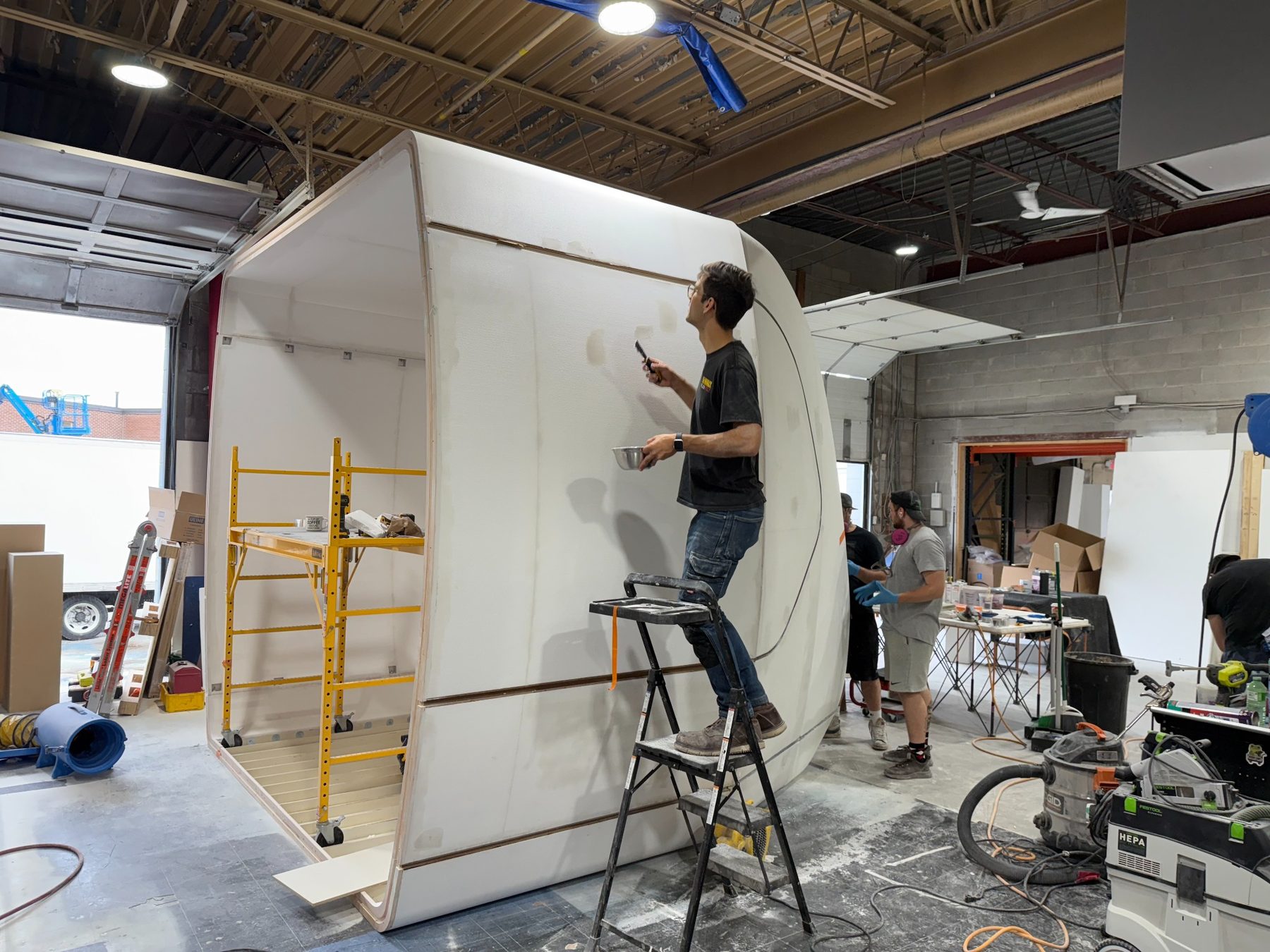
When planning custom fabrication services, work backwards from the date the installation must be ready. Custom Engineered Arts process spans concept, design, production, delivery and installation. Understanding those stages helps you see where time is needed and which decisions you should make early.
Since custom fabrication takes different amounts of time, no single turnaround time applies to all projects. Your schedule will depend on factors such as project size and complexity, materials used, engineering required, number of revisions, finishing process, shipping, and installation. Two items such as a tabletop prop and a large interactive display could require entirely different production plans even if they are both being sent to the same event.

How Long Does Custom Fabrication Usually Take?
There is no universal turnaround time for custom fabrication. Your schedule depends on the project’s size, complexity, materials, engineering requirements and design revisions. As a general guide, past projects have ranged from about two weeks for a smaller, time-sensitive build to two months for a larger, more complex piece.
Plan for the entire process, from the initial brief to installation. Fabrication is only part of the timeline; finishing, quality checks and transportation also take time. Ask your fabricator for a project-specific schedule and confirm what it includes before committing to an event or launch date.
| Stage | What happens |
|---|---|
| Discovery | Goals, dimensions, deadline and budget |
| Design | Concepts, drawings and 3D models |
| Approval | Client revisions and final sign-off |
| Production | Cutting, sculpting, printing and fabrication |
| Finishing | Paint, graphics, textures and coatings |
| Delivery | Packing, freight and installation |
Concept and Project Brief
What information should you provide your fabricator?
Share your project’s purpose, event date, location, dimensions and budget range. Explain whether it’ll be installed indoors or outdoors and its expected interaction and transportation needs. Include reference images to show the fabricator your branding requirements and to identify anything visitors will touch, climb on or move. These details help the fabricator estimate the work involved before developing a design.
Do I need CAD files or finished drawings?
Not always. A sketch, visual reference or creative idea can be enough to begin a discussion and kickstart your project. Dimensions and site information help the fabricator assess feasibility. Technical drawings or engineering may still be needed later, before physical production starts.
Design, 3D Modelling and Client Approval
Design turns your idea into a buildable plan. Dimensions, drawings, 3D models, and renderings clarify the shape, proportions, and finishes, while structural support and intended use are worked out at the same stage. Reviewing these details on screen is generally easier than correcting them after materials have been cut.
Why approvals can affect your timeline
Changing the shape, dimensions or branding after production starts may mean remaking parts or reordering materials, prolonging the project. For the smoothest process, choose one decision-maker for your team, gather feedback into one response and outline clear approval deadlines.
Material Selection and Engineering
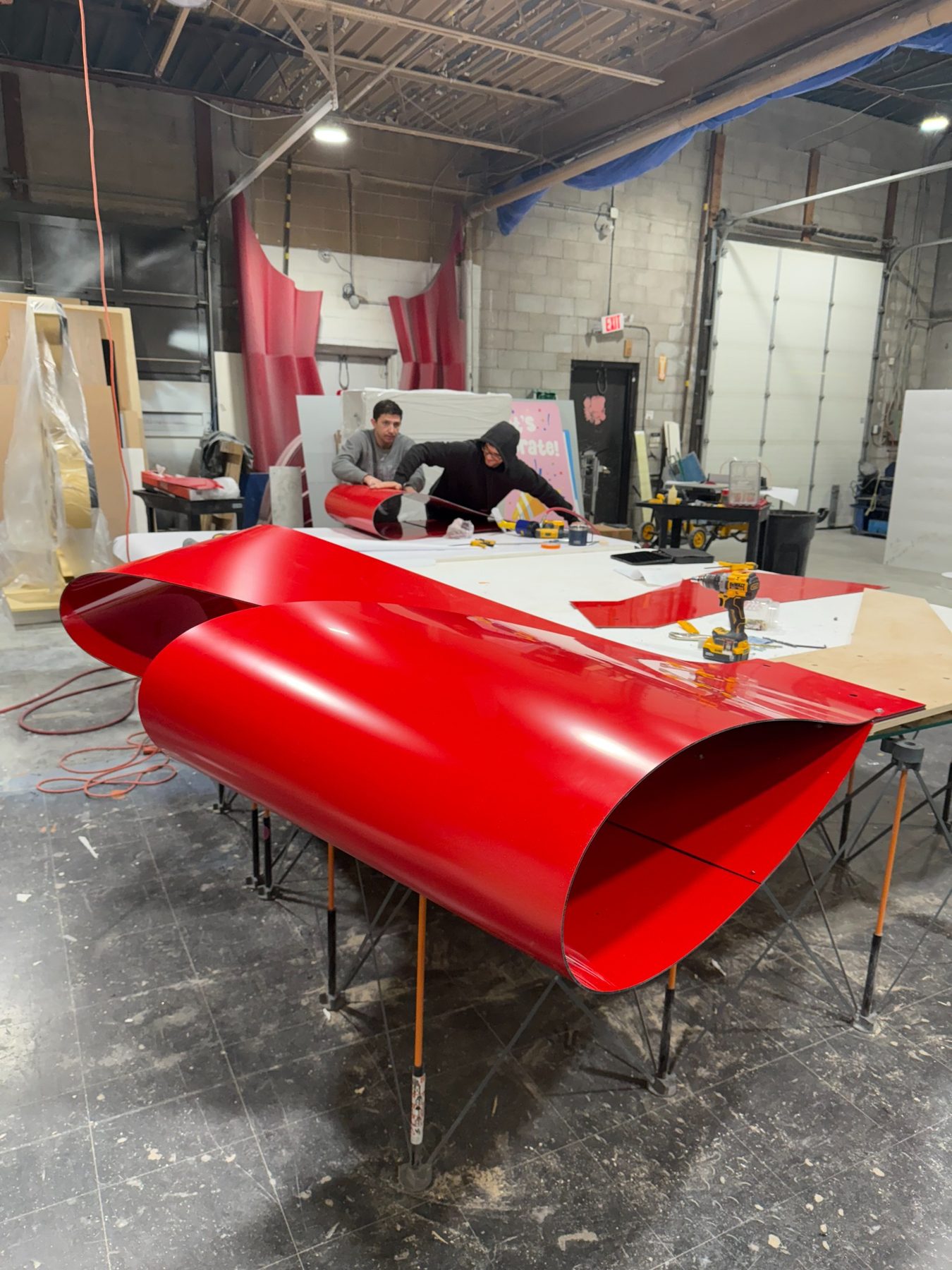
For your project, consider all aspects of execution, including weight, durability, surface finish, structural support, and repeated use. Outdoor conditions and audience interaction may affect the build requirements. A lighter object may be easier to transport, but the overall design still needs adequate support. Settle these requirements before ordering materials.
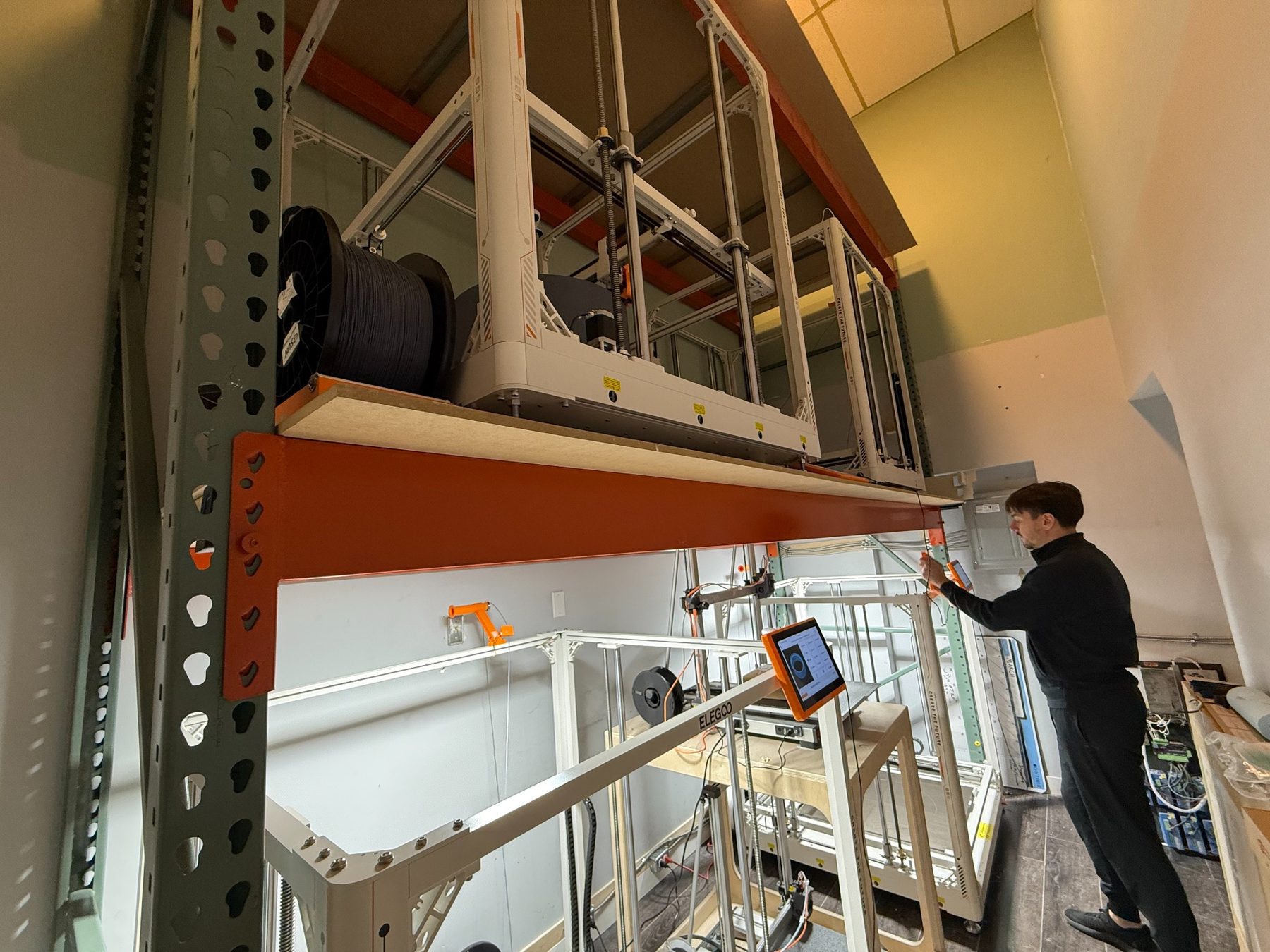
Material choice shapes production and logistics, as expanded polystyrene (EPS) foam, plastics, wood, metal, fiberglass and acrylic each require different cutting, assembly and finishing methods. Projects may combine materials or use large-scale 3D printing for specific components.
Fabrication and Production
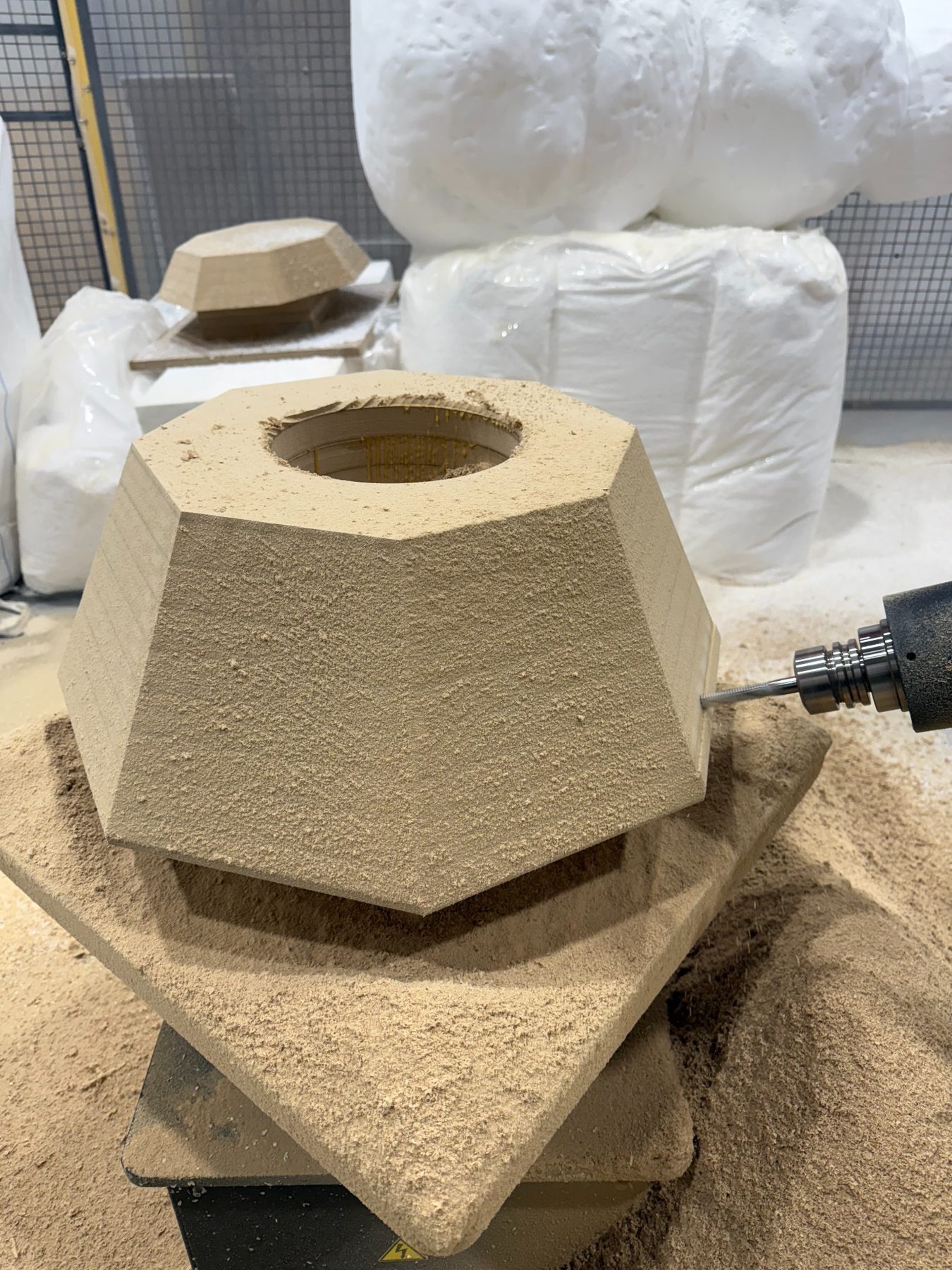
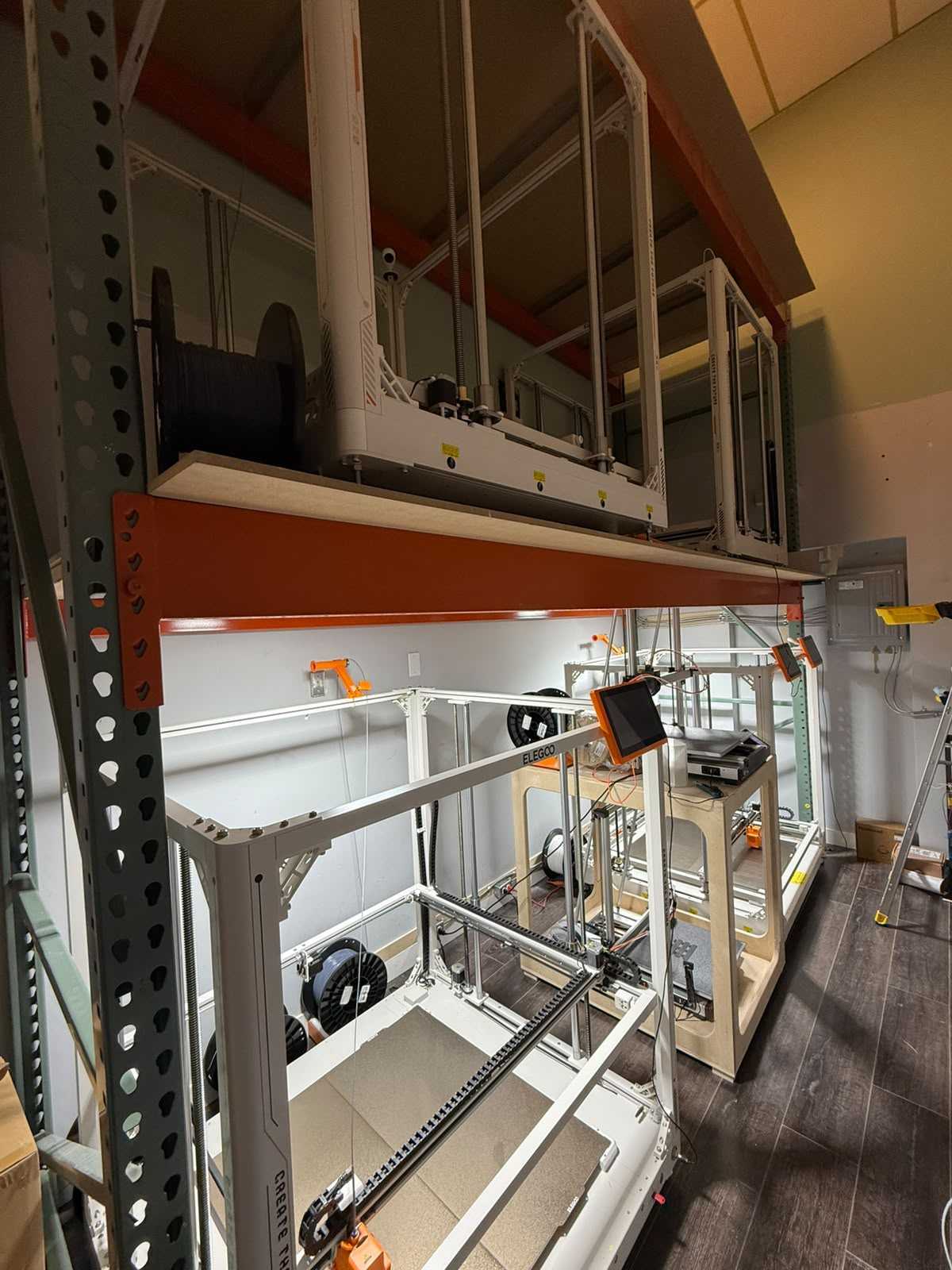
Once the design is approved, fabrication turns drawings and models into a physical object. Depending on the project, this may involve CNC cutting, foam sculpting, hand carving, 3D printing, woodworking or metal fabrication. Parts then need to be assembled, reinforced and sanded before finishing can begin.
What Makes Fabrication Take Longer?
- Size: A large twelve-foot replica may need separate sections, internal supports and trial assembly. Something smaller, like a tabletop prop, generally involves less handling.
- Complexity: Moving parts, lighting and interactive features require additional assembly and testing to confirm everything works together.
- Quantity: Producing one object differs from creating multiple identical copies, which require repeat production and consistency checks.
- Detail: Intricate shapes and realistic textures require more shaping and surface preparation before applying final touches.
Confirm dimensions, quantities and detail expectations during design so the timeline accounts for the work involved.
Finishing, Branding and Quality Control
Once fabrication is complete, the piece still needs its final appearance and protective finish. This may involve sanding, sealing, painting, applying vinyl graphics and logos, adding textures or coating surfaces. Paints and coatings may also need drying or curing time before packing.
Quality control checks both appearance and function. Colours, graphics and surface details are reviewed against the approved design. Components are checked for fit, while lighting and moving parts are tested where included. An object that looks built may still need adjustments before shipping. Allowing time for these checks helps prevent unfinished details from reaching the installation site.

Shipping and Installation
Getting a finished piece to its destination takes planning. Depending on the piece’s dimensions and construction, you may need protective packaging, custom crates, or oversized transportation. The schedule must also account for freight, venue delivery windows, onsite assembly and installation. It’s important to include teardown where required.
Why Installation Should Be Planned Early
Site conditions influence how the piece is built. Check door and elevator dimensions, ceiling height, loading access and power requirements before production. Mall restrictions, venue schedules and outdoor anchoring also need early review. For trade show displays, brand activations and pop-up installations, these details help determine how components will be transported, assembled and installed.
What Can Delay a Custom Fabrication Project?
Delays can happen when production starts without the information, approvals or materials needed to complete the work. Common causes include:
- Incomplete measurements
- Late creative approvals
- Design changes after sign-off
- Unavailable materials
- Complex engineering requirements
- Venue restrictions discovered late
- Delayed artwork
- Tight freight schedules
- Unrealistic event deadlines
Early communication between the brand, agency, designer, venue and fabricator helps reduce these problems. Agree on the scope, assign approval responsibilities and share site requirements before production begins. If something changes, flag it promptly so the team can assess its effect on fabrication, finishing and delivery.
Can Custom Fabrication Be Rushed?
Custom fabrication can sometimes be rushed, depending on the design’s complexity, current production capacity, material availability, finishing requirements and shipping destination. A simpler design may reduce the work involved, but drying, curing and delivery still need time.
If your event date is already set, tell the fabrication team immediately so they can determine what is realistically achievable and identify any necessary changes to the scope.

Plan Your Fabrication Timeline Early
A useful fabrication timeline accounts for decisions, production and the final installation. Share your deadline before the design is fixed, and leave room for approvals and delivery.
Planning a custom prop, retail installation, trade show display or brand activation? Contact Custom Engineered Arts early for a realistic production timeline for your project.


