

Trade show booth design plays a major role in how people experience your brand at an event. A booth needs to attract attention, support conversions, display products properly, and handle heavy foot traffic. Your choice of booth designer and builder has a major impact on the success of your display.
Before signing with a trade show booth company, it helps to understand what goes into exhibit planning and what separates a dependable fabrication team from a risky one. Read on to learn more.

What You Actually Need for Trade Show Exhibit Planning?
Successful exhibits rely on thorough trade show booth design planning, focusing on creating experiences and maximizing ROI. The first details to outline are:
7 Things to Look for in a Trade Show Booth Design Company
The company you partner with to design your trade show booth impacts how smoothly your event runs, how your brand is perceived, and how much stress you deal with leading up to the show. Here are 7 things to look for when selecting a trade show booth builder:
In-House Fabrication, Not Outsourcing
Companies that rely heavily on outsourcing bring the risk of communication gaps, inconsistent quality, and production delays to the table. When multiple third parties are involved, details can get lost or overlooked.
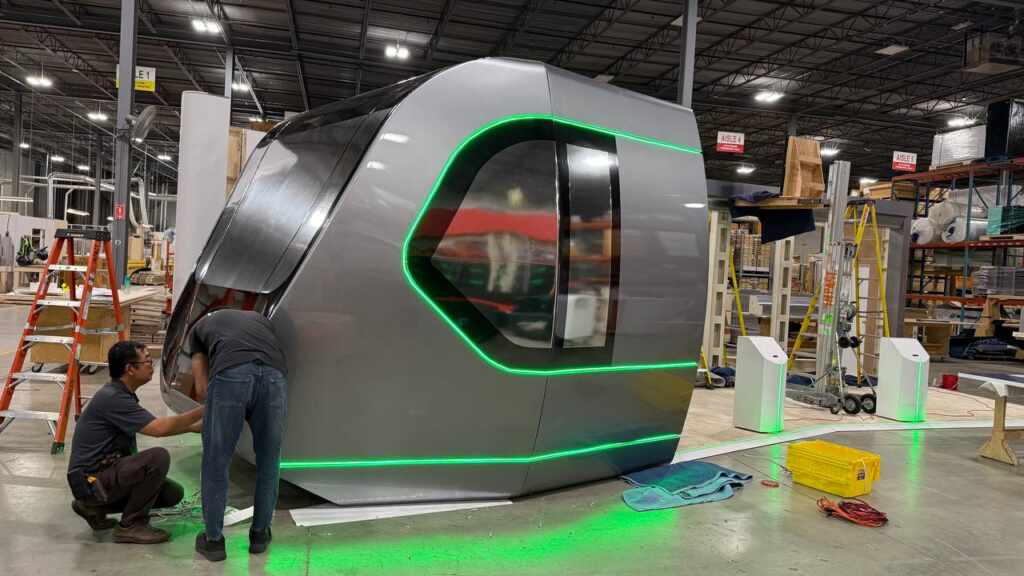
Look to partner with custom fabricators in Canada and the USA for a smoother process with better oversight. In-house fabrication makes it easier to maintain quality standards, manage timelines, and quickly resolve adjustments before the event.


Portfolio with Genuine Variety
A varied portfolio tells you the company can adapt ideas to different industries, booth sizes, and goals instead of recycling the same concepts. Your booth should feel connected to your brand, not look like a generic template.
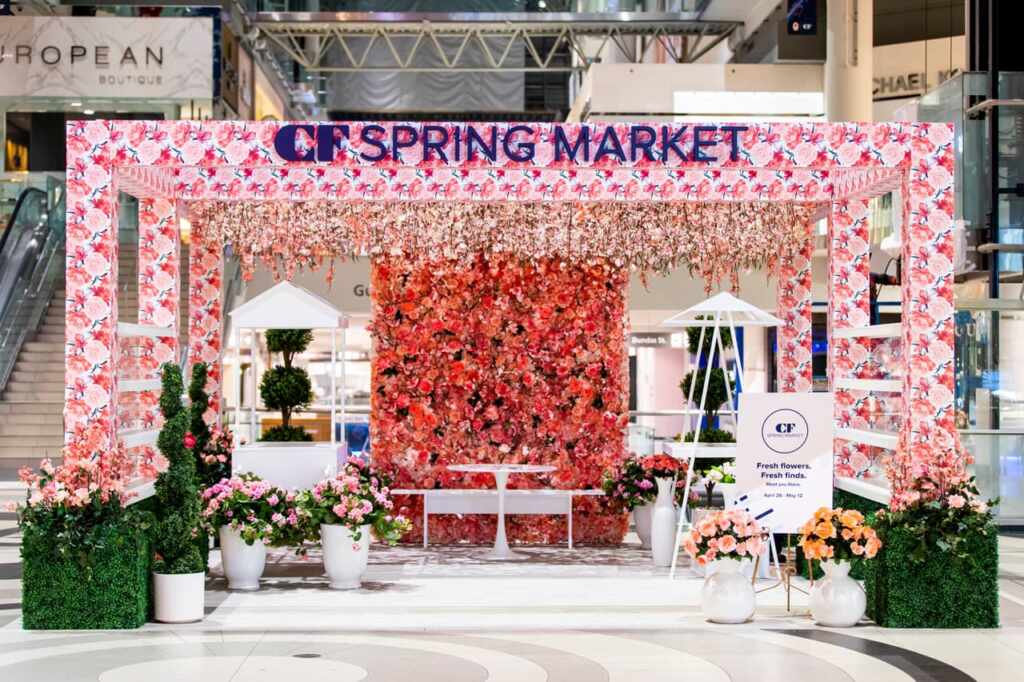
Explore the company’s portfolio for exhibit booth designs that display creativity with a range of materials, shapes, and environments. This can include custom props and sculptures, or brand-specific signs and installations.
End-to-End Service: From Concept to Installation
Building a trade show booth involves more than appearance. Design is only one piece of the project. Fabrication, logistics, installation, and coordination all affect the final booth results and how it comes together on event day.
Working with a company that manages the full process from design conceptualization to installation and distribution helps reduce frustrations and stress from last-minute surprises, improper installation, or missing parts.
Experience with Your Scale/Industry
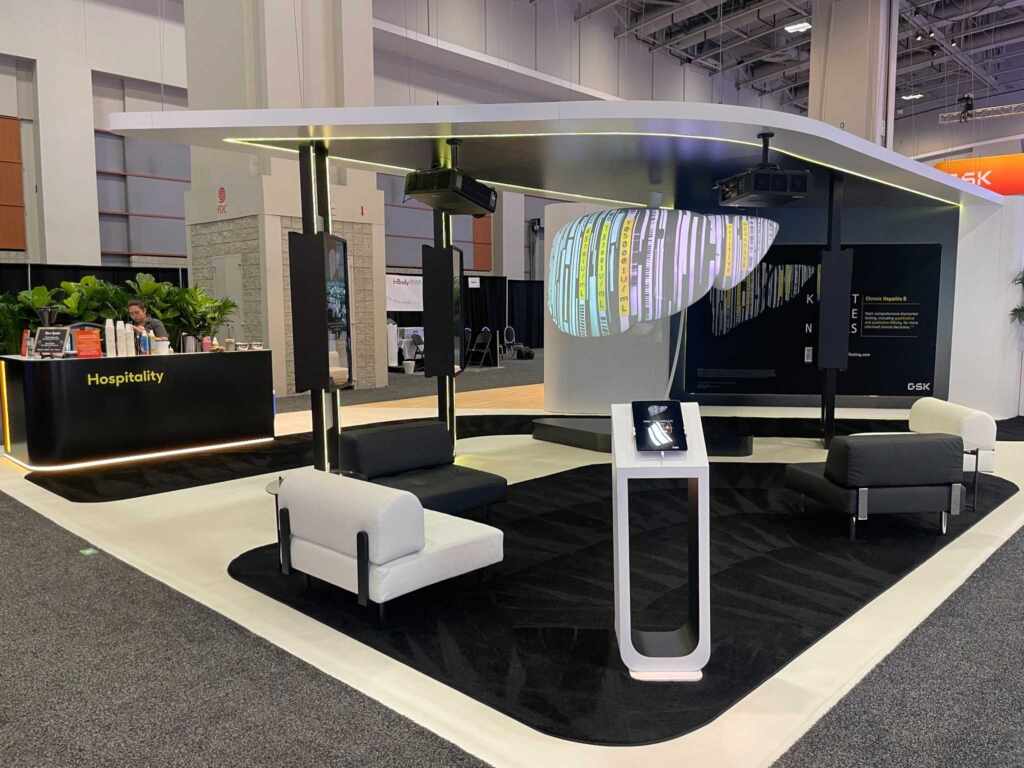
Different industries have different audiences with varying expectations, needs, likes, dislikes, and desires. Retail activation booths for a hotel conference won’t look and function the same as a movie production display.
Companies with diverse industry experience will have a better understanding of event timelines, audience behaviour, venue limitations, and branding expectations specific to your business. An experienced design company will have experience with various businesses, such as a mix of the following:
Transparent, Line-Item Pricing
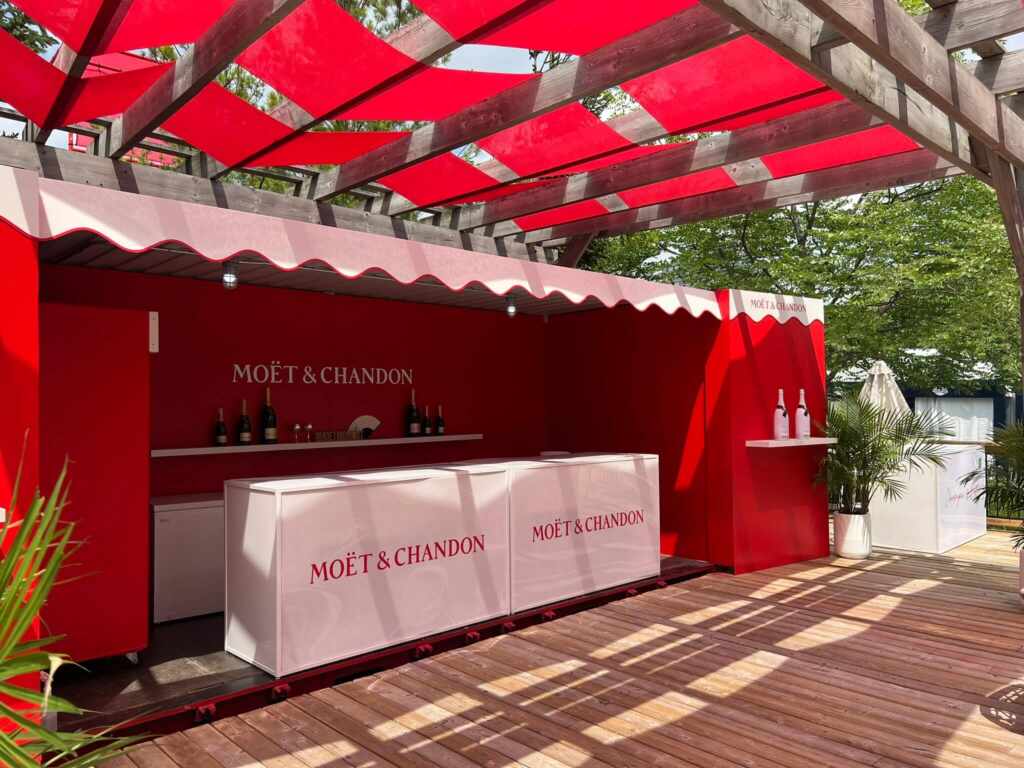
Trade show costs are based on design choices, material selections, customization, size, installation requirements, etc. These items have varied price ranges, each altering the final cost.
Transparent pricing helps you understand where your money is going, making it easier to set a realistic budget and clear expectations. Line-item estimates reduce the chance of unexpected costs appearing later in the project.
Real Client References You Can Actually Call
Client references are one of the most dependable sources for evaluating a company. You get to hear from real people with real experiences.
Past client feedback gives you insight into how a company communicates under pressure, handles deadlines, and solves unexpected problems.
A visually appealing booth loses its appeal if its creation process was messy, challenging, or involved unexpected costs.
Creative 3D Capabilities
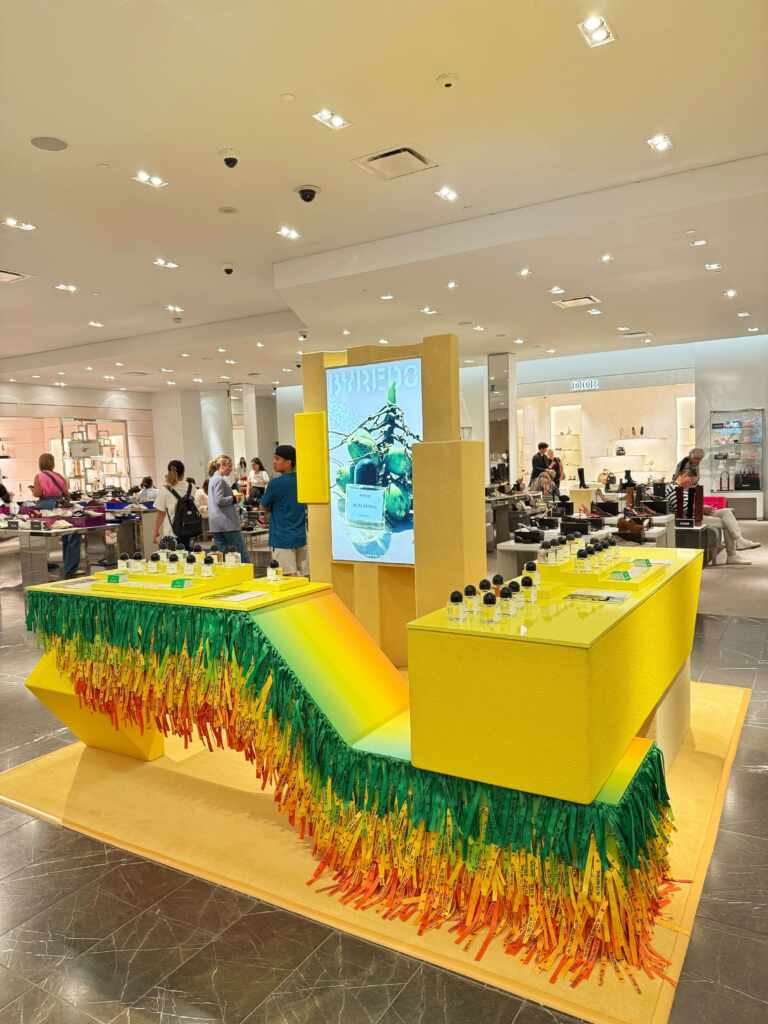
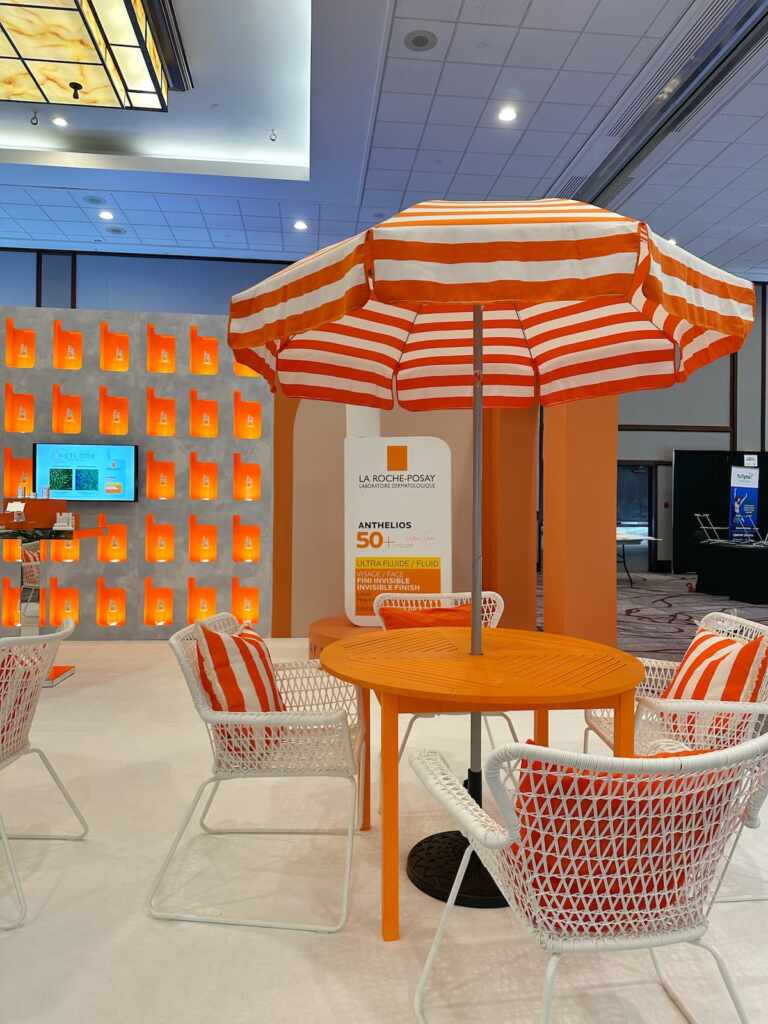
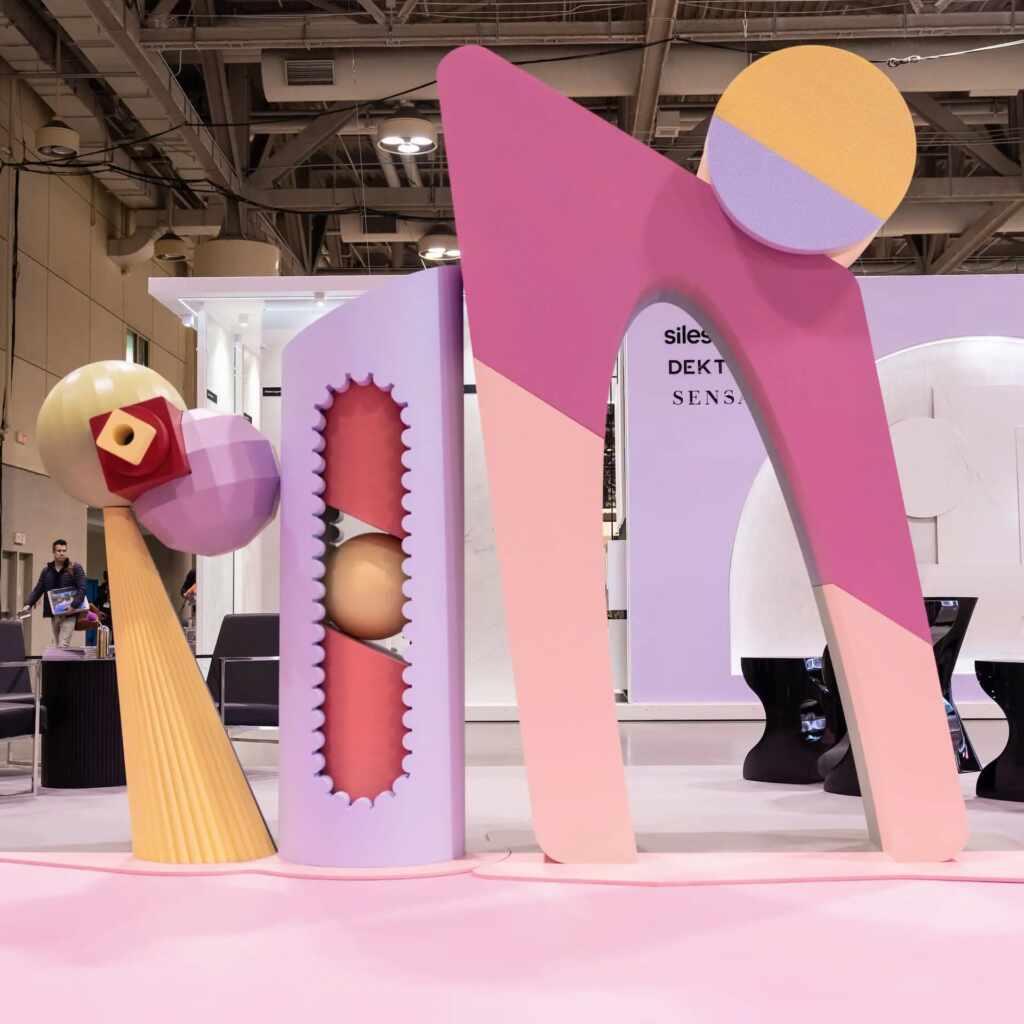
Custom 3D elements help booths stand out in crowded spaces where every brand is competing for attention. Your display becomes more memorable and engaging for visitors. This could include oversized product replicas, brand sculptures, foam lettering, or custom props. Creative fabrication gives people something to look at and interact with. Here are some examples of 3D elements:
Red Flags to Watch Out For
Stating “Full-Service” Without Details
Some trade show booth companies look impressive at first glance, but become difficult to work with once production begins. One warning sign is vague “full-service” language without explaining what’s included. You should see the following as part of the process:
- Custom design
- In-house fabrication
- Delivery
- Installation
- Disassembly
- Product transportation
If details are unclear upfront, extra charges can appear later for services that were never part of their “full-service” offerings.
No Installation Crew
Another detail to be aware of is that not all companies have their own installation crew. Inexperienced installers can create costly delays during move-in.
If neither delivery nor installation are included, you can end up with large booth parts and items with no way to transport them to the venue.

Unrealistically Short Timelines
Be cautious of unrealistically short production timelines as well. Custom exhibits require drafting, fabrication, finishing, curing time for paints or graphics, packing, and freight coordination.
Too good to be true promises, such as overly fast timelines, can result in rushed workmanship, missing components, or lower-grade materials being substituted near the deadline. For reference, the average custom booth fabrication timeline is 8 to 16 weeks.
Conclusion
Trade show booth designs affect visitor engagement and enjoyment, setup efficiency, and how people remember your brand.
Have an upcoming trade show? Custom Engineered Arts is your start-to-finish custom fabrication company.
Check out our trade show and mall booth design services to learn about our custom fabrications, dimensional displays, and installation services.


