
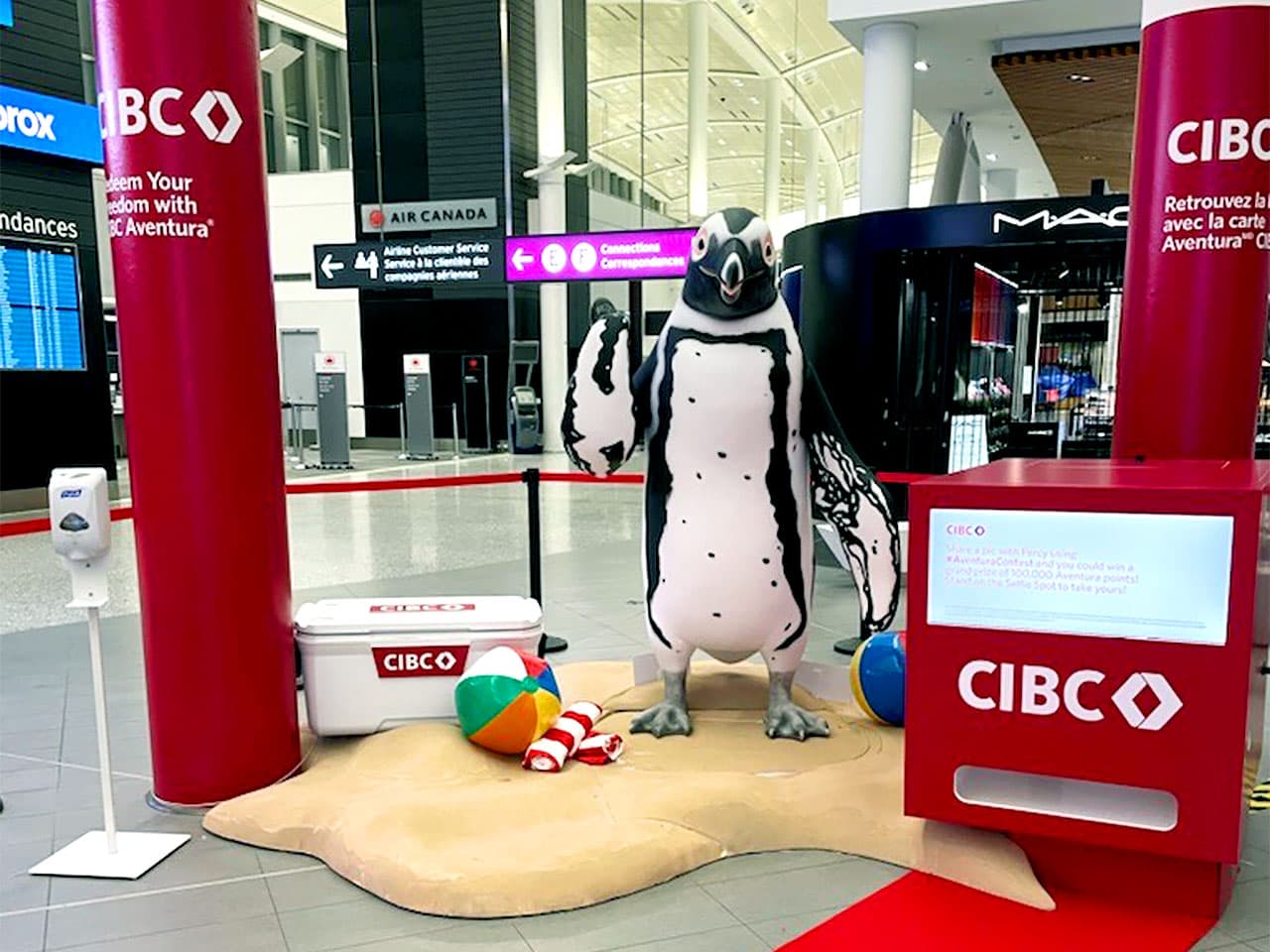
Brand activation marketing is a technique businesses use to establish a genuine connection with consumers. Learning about the meaning of brand activation is a great first step towards engaging new and existing customers/audiences. To learn more about brand activation, including its definition, benefits, examples, and more, explore the blog below.
What Does Brand Activation Mean?
Brand Activation Definition: A marketing strategy used to create a lasting impact on consumers through real-life experiences.
Rather than simply informing customers about the traits and values of a product, service, or company, brand activation involves hands-on audience participation. The goal of brand activation marketing is to help audiences form deep emotional connections through memorable, interactive experiences. Consumers can directly engage with a brand in real-world and/or digital environments rather than just reading about one of its products or services.

How Brand Activation Works
Now that we’ve answered “What is brand activation.” It’s time to move on to how it works. Brand activations are strategically designed to reflect and promote a brand’s values and messaging by getting consumers to participate in specific actions. For example, trying a newly released product, sharing content on social media platforms, and/or making a purchase.
Types of Brand Activation
Brand activation comes in many forms, each designed to engage audiences in unique ways. The following are a few brand activation examples commonly used in modern marketing campaigns:
Experiential Marketing
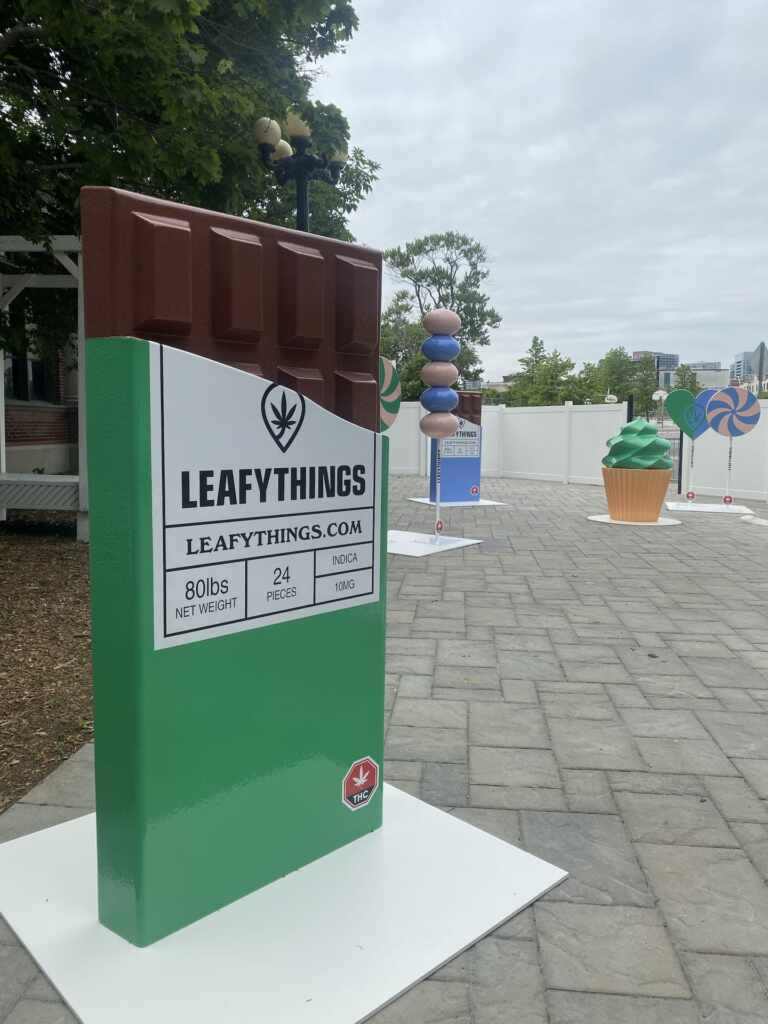
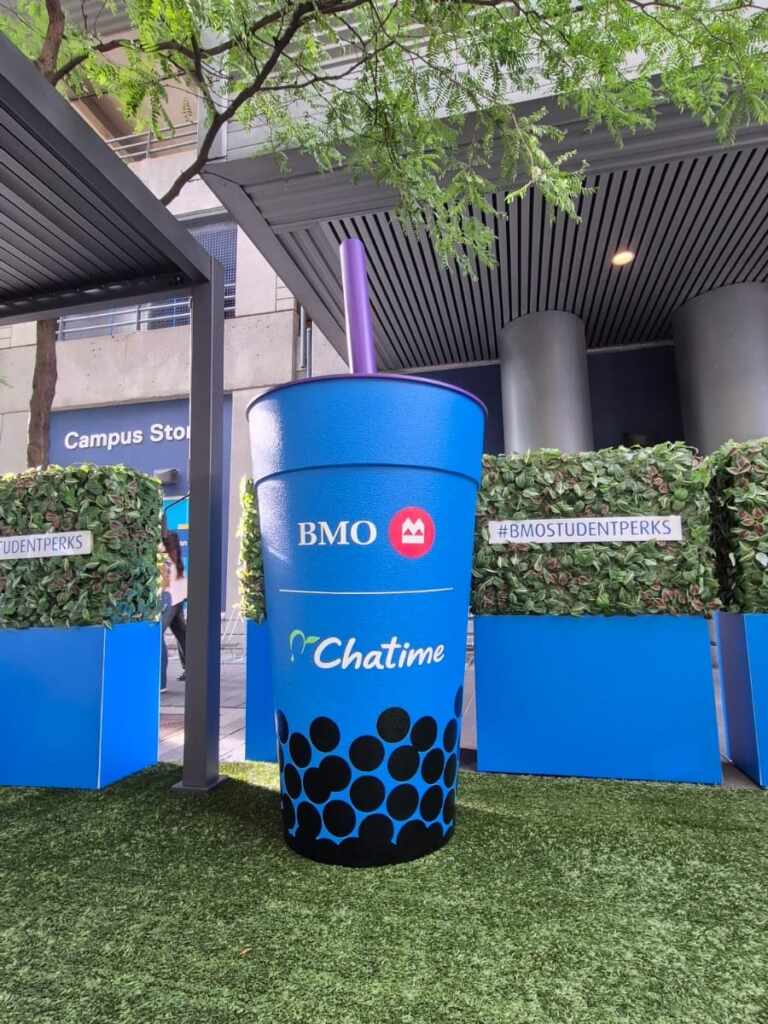
Experiential marketing involves creating real-world or digital experiences for target audiences to immerse themselves in. These experiences go beyond product showcases, as they aim to get people to actively participate in certain actions. An example of experiential marketing is a pop-up photo booth promoting photo editing software. Experiential marketing can also be virtual, involving technologies such as virtual reality (VR) and augmented reality (AR) to help boost online engagement.
Influencer Marketing
Influencer marketing is when brands partner with individuals who have established a strong social media presence, online credibility, and an abundance of followers. These influencers then act as bridges to reach target audiences. This type of brand activation helps humanize brands and foster deeper connections through authentic product experiences and interactions. This approach is great for building a brand’s trust and awareness, making it a popular strategy in modern marketing.
Event-Based Activation
Event-based activations occur at major events, including trade shows and conventions. These events are effective platforms for brand activation as they offer opportunities to showcase products and values through the use of booths, seminars, and/or presentations. These events build brand authenticity and help businesses reach new audiences. Additionally, event-based marketing can involve experiential marketing tactics, such as offering prizes and giveaways. The goal is to efficiently influence a large audience and gather leads.


Digital Activation
In today’s modern digital age, online and social media platforms are vital tools for brand marketing. Digital activations involve creating online campaigns, interactive websites, social media pages, and mobile apps. These digital tools allow brands to connect with a global audience. The ability to reach a worldwide audience, monitor campaign performance, and adjust strategies in real-time makes digital platforms invaluable brand activation resources. Common digital activation strategies, including hashtag challenges, influencer collaborations, and virtual reality.
Brand Activation vs. Branding
The difference between brand activation vs. branding is that each technique has a different purpose and process. Branding is used to define the image of a specific brand. The process involves creating logos, writing slogans, and promoting values through ad campaigns. Branding helps a company build recognition and form a reputation over time. In contrast, brand activation draws immediate engagement from audiences using interactive marketing strategies. Brand activations are singular campaigns rather than ongoing promotions, whereas branding is a continuous process.
Benefits of Brand Activation
There are many benefits of using brand activation as a marketing tool in the modern world. Explore just a few of the numerous advantages of brand activation here:
Brand Activation Examples
Brand activations are used throughout various industries from health and beauty to food and clothing. Here are two examples of successful brand activation campaigns:
Custom Trade Booth Design for La Roche-Posay
La Roche-Posay’s custom trade booth created by Custom Engineered Arts turned product education into an immersive brand activation. The display was successful at driving engagement, reinforcing dermatologist-backed credibility, and creating meaningful face-to-face connections with attendees in a competitive event-based environment.


Stew Leonard’s Divco Truck
The Divco truck is a nostalgic display created with interactive elements, including colourful visuals, lights, and sounds. The display encouraged people to stop and explore as they connected more deeply with the history of the dairy store. It successfully turned into a memorable, experience-driven brand activation.
How To Create a Successful Brand Activation Strategy
Brand activation involves multiple steps, including strategic planning, creative execution, and evaluation/analysis. Here’s a breakdown of how to successfully create and implement a brand activation strategy:
Conclusion
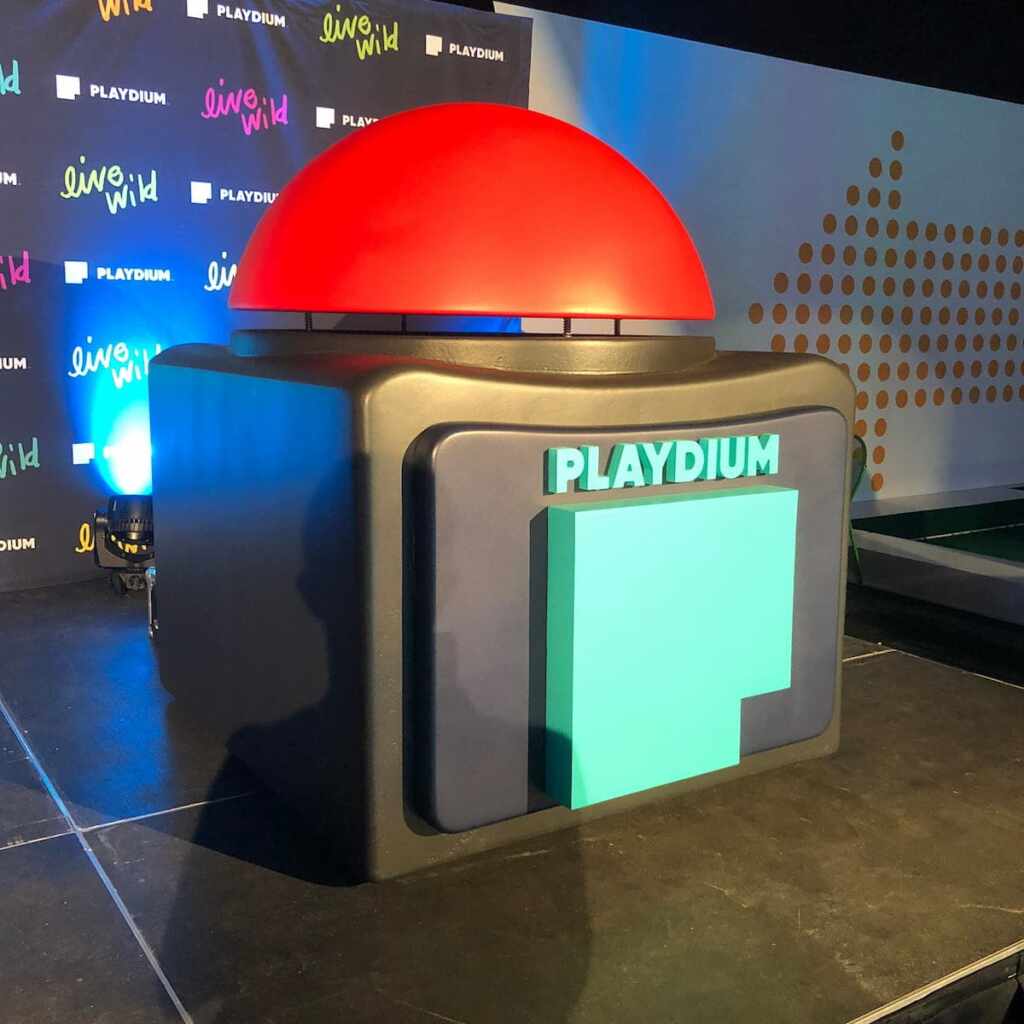
Brand activation marketing comes in all shapes and sizes. When executed successfully, brand activations can help build trust, drive sales, raise awareness, and engage new audiences. Interested in launching your own brand activation? Get help from the experts at Custom Engineered Arts. We craft unique brand activation displays, props, signs, and more! Contact us today to book a free consultation.


